 Mid-Range
Waterfront City
Cultural
The former UNHCR camp on Galang Island (1979–1996), where Vietnamese boat people waited for resettlement. Museum, church, pagoda and a cemetery of over 500 graves. About 60 km south of Batam Centre via the Barelang bridges.
Sijantung, Galang, Kota Batam, Kepulauan Riau 29485, Indonesia
From 1979 to 1996, Galang Island at the southern end of the Barelang chain housed one of Southeast Asia's main processing camps for Indochinese refugees. Most were Vietnamese boat people who had fled by sea after 1975; Cambodians and Laotians lived here too. The Indonesian government ran the camp with funding from the UN refugee agency UNHCR, and the Indonesian Red Cross (PMI) ran the hospital.
Estimates of how many people passed through vary. An academic study in Inside Indonesia (2020) puts the figure at roughly 120,000–145,000; newspapers and refugee associations often cite around 250,000. At its peak the camp held about 11,000 people at a time. Most were eventually resettled in third countries. After 1989, under the Comprehensive Plan of Action, new arrivals had to pass individual screening, and many who were rejected were returned to Vietnam. The last refugees left in September 1996.
Today the camp is a memorial site managed by BP Batam. Many of the people who lived here are still alive, and some return to visit graves and the places they remember. It is a place to walk slowly and read, not a photo stop.
For the full story, including the camp's better and darker sides, read our history piece: Galang Refugee Camp: The History of the Boat People near Singapore.
The museum (Museum Kemanusiaan) holds UNHCR registration cards, photographs of former residents, cooking pots, books and other everyday objects left behind. Labels are limited, so a guide or a little reading beforehand helps.
Places of worship. The Catholic church Nhà Thờ Đức Mẹ Vô Nhiễm and the Buddhist pagoda Chùa Quan Âm (Vihara Quan Am Tu) date from the camp years and are still kept up. Both are religious sites; enter quietly and dress modestly.
Nghĩa Trang Galang cemetery holds 503 graves of people who died in the camp, according to reports by The Jakarta Post and Da Màu magazine. Some graves carry no name.
The Humanity Statue (Patung Kemanusiaan, in Vietnamese Tình Nhân Loại) stands on the grounds. According to a 2013 account in Da Màu magazine, it was made by a refugee sculptor in memory of a young woman who took her own life after being assaulted.
The boats and the ruins. One or two wooden refugee boats are on display near the entrance. Around the site you will find the former hospital, a small jail, the remains of the UNHCR office and long wooden barracks, many now overgrown.
Treat the cemetery and the places of worship as you would any memorial: speak quietly, do not climb on graves or structures, and ask before photographing people who are praying. Wear clothing that covers shoulders and knees.
There is no restaurant on the site. Bring water, and eat before or after your visit. Mornings are cooler and quieter; there is little shade at midday.
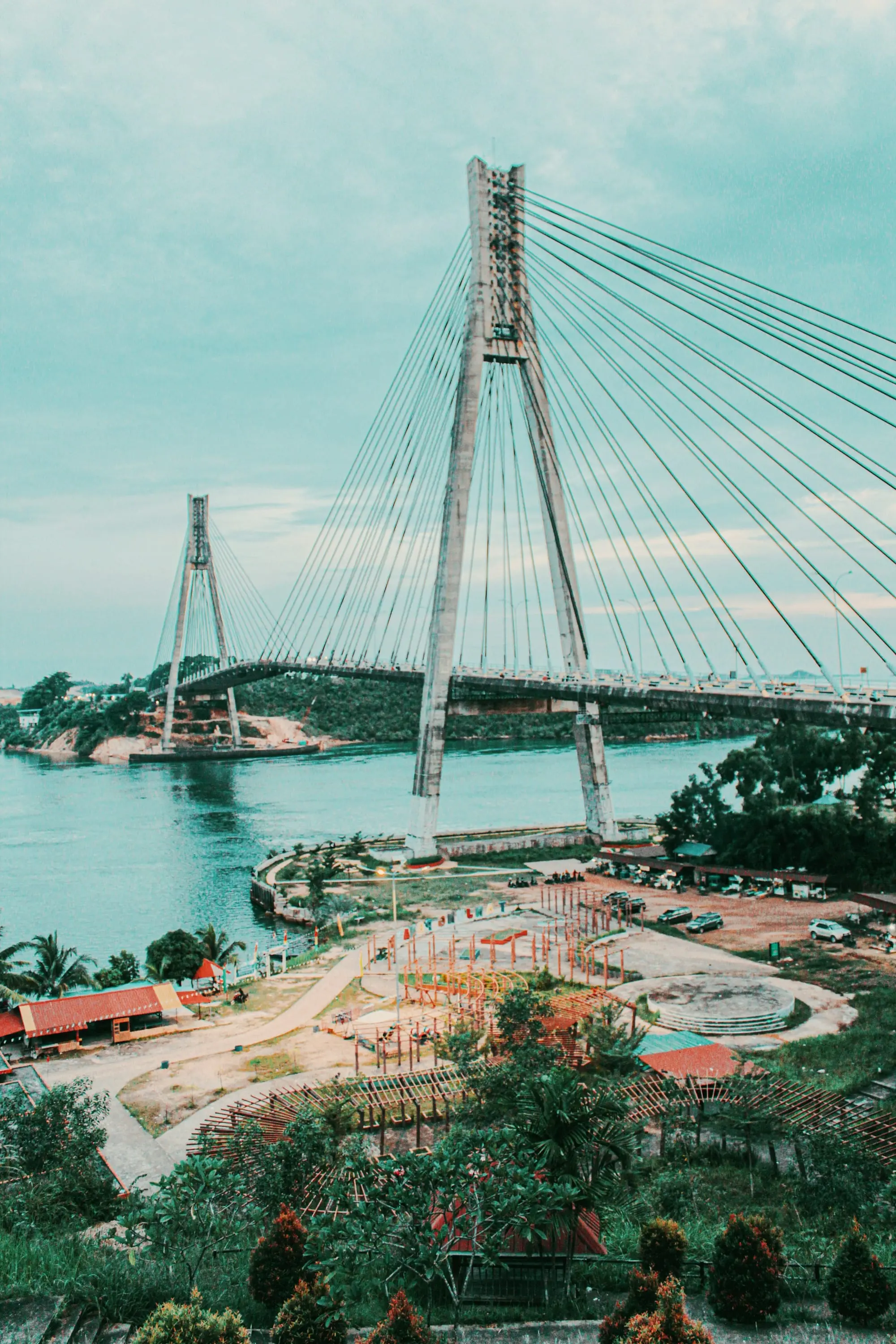
The camp is about 60 km from Batam Centre and Harbour Bay ferry terminals, a 70–90 minute drive along the Trans Barelang road across all six bridges. There is no public transport, and Grab is unreliable on Galang, especially for the return trip. A private driver for the day is the practical choice and lets you stop at the Barelang bridges on the way.
Entry is a small cash fee in rupiah per person and per vehicle. Visitor reports put opening hours at roughly 07:30–16:30 on weekdays and slightly longer at weekends, but these are not officially published, so confirm with your driver before you go. Allow 60–90 minutes on site and take the earliest ferry you can.
If you prefer not to plan it yourself, guided day tours from Singapore that include the ferry and the camp are available.
Cultural
Galang Refugee Camp
We use essential cookies for core site functions and, with your permission, affiliate tracking by Travelpayouts. You can change this any time. Read our privacy policy.